
Vesak’s quieter principles — the value of stillness, the discipline of attention, the importance of leaving room for what matters — translate unusually well into design decisions for modern Singapore homes. Not as theme. As architecture.
Here is how those principles inform our work, particularly during the Vesak period when these conversations come up more often.
Wellbeing in design is not minimalism
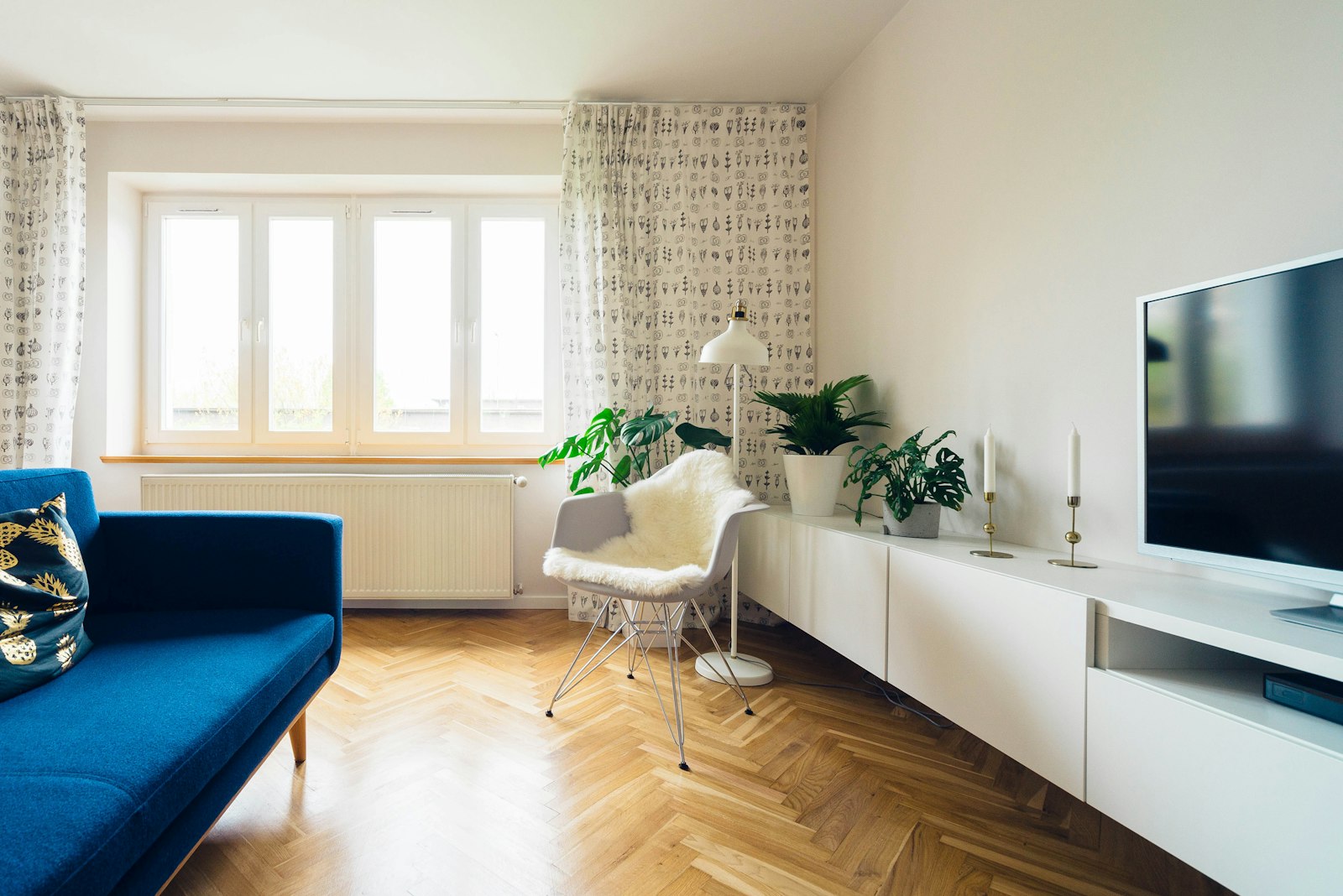
Wellbeing-led design has been quietly miscategorised as minimalism. The two share visual vocabulary but differ at their root. Minimalism is a stylistic choice. Wellbeing-led design is an ordering of priorities — a discipline of asking, of every element, what work it is doing for the household that lives there.
A home rich with objects can be deeply oriented toward wellbeing, provided every object earns its presence.
Five quiet principles
1. Leave room for the moment that matters
Every room should have at least one place where nothing is happening. A chair beside a window. A landing where the eye can rest. These quiet places are not empty — they are reserved for the moment they are needed.
2. Honour daylight as a primary material
Singapore has abundant daylight, and the relationship between a home and its daylight is one of the most consequential design decisions. The orientation of a chair, a desk, a bed in relation to where light arrives in the morning and softens in the evening matters more than the materials of the floor.
3. Specify materials that age, rather than fade
Wellbeing-oriented homes are designed to grow into their materials. Brass that patinas. Linen that softens. Timber that deepens with the years. Stone that develops a worn smoothness. These materials reward time and attention. Synthetic materials that fight their own ageing produce homes that feel anxious.
4. Plan for sound, not only for sight
A home oriented toward wellbeing pays attention to acoustics. Soft surfaces that absorb sound. Joinery walls that break up reverberation. The decision not to have hard tile in every space. The presence of a textile rug under a dining table where there might otherwise be no soft surface. The home sounds as well as looks calm.
5. Make space for the household, not for the photographs
The most wellbeing-oriented homes we deliver are the ones that age beautifully because the family lives in them rather than maintains them. They are designed to be inhabited, not staged.
What this looks like in a Singapore home
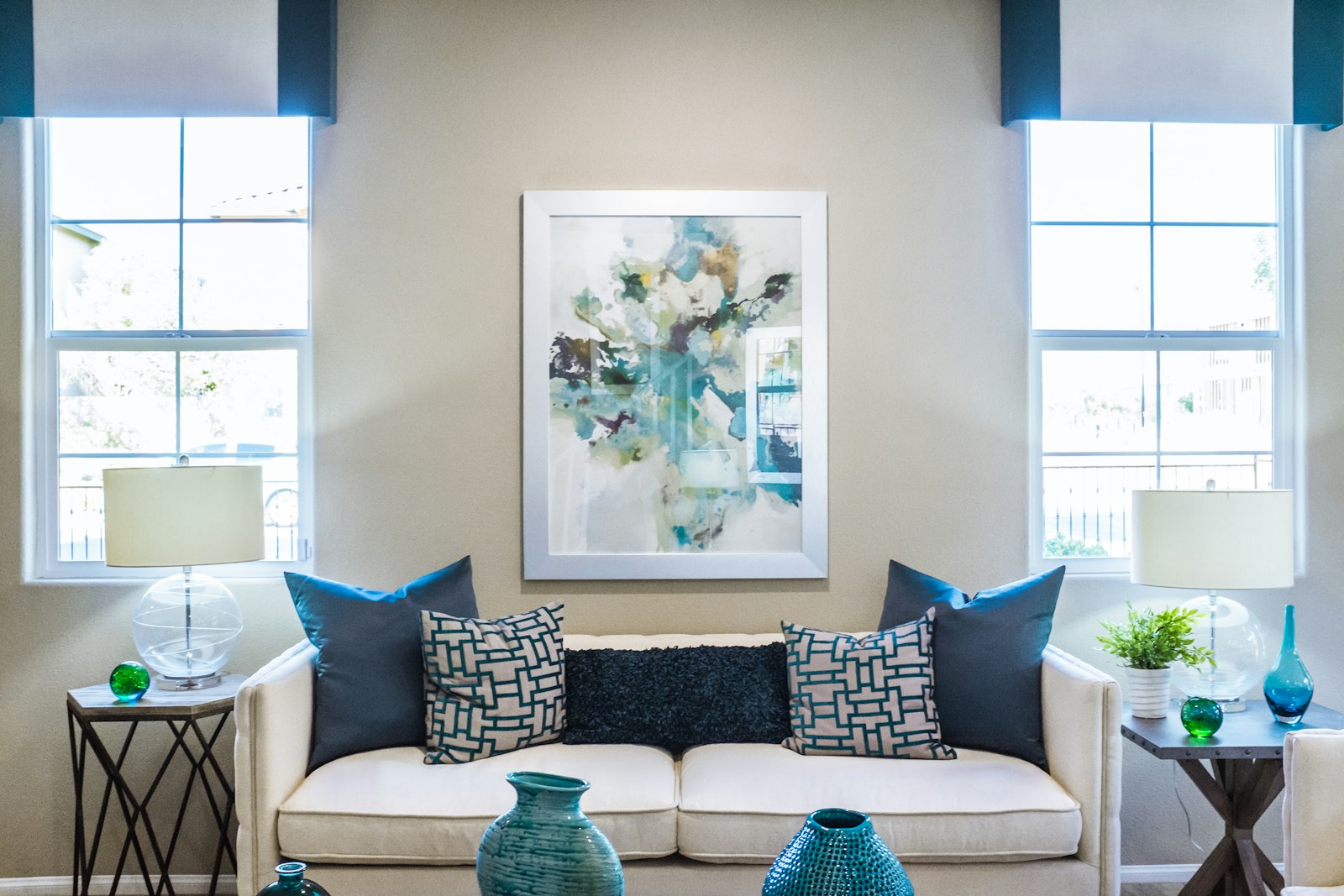
A reading corner with one chair, one lamp, one table. A bedroom planned around the morning light rather than the wall furniture. A kitchen with everything the family uses daily within easy reach and nothing on display they do not actually use. A bathroom designed for the slow start of the morning rather than the speed of the rush hour.
Wellbeing in a Singapore home is not the absence of life. It is the presence of life that has been thought through.
Wishing all who observe a peaceful Vesak.
If you are planning a Singapore home and would like a designer who treats calm as a serious design objective, we would be glad to hear from you.