
More Singaporean families are choosing to live across three generations under one roof. The reasons are practical — cost of housing, ageing parents, the strong cultural preference for keeping families close — and the design briefs that arrive at our studio reflect this.
Designing a multi-generational Singapore home is one of the harder briefs in our practice. It is also one of the most rewarding when it lands.
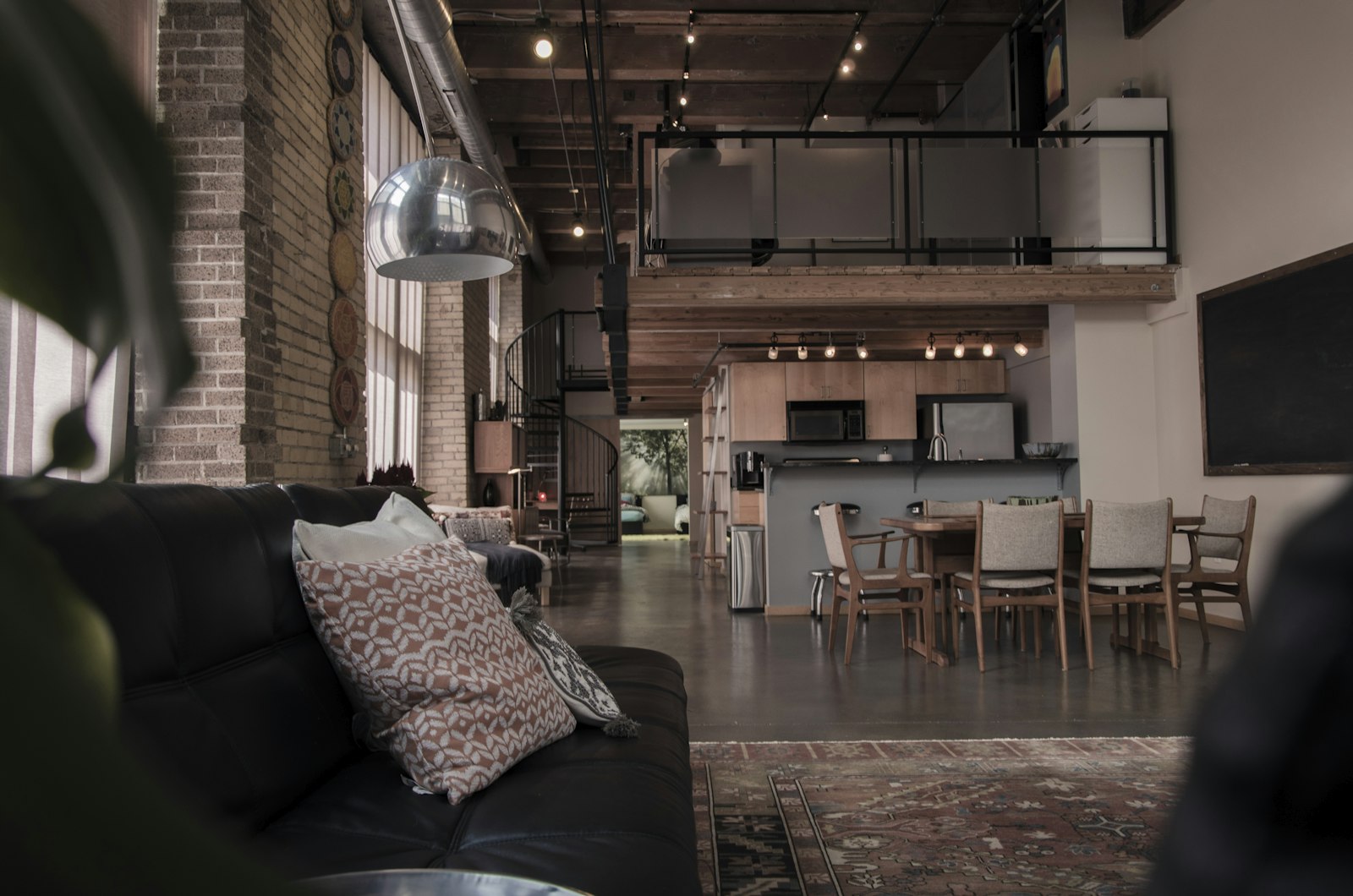
Start with the conversation, not the floor plan
The first meetings on a multi-generational project are not about design. They are about understanding what each generation needs to feel at home in a house they will share. Grandparents need privacy and dignity. Parents need autonomy. Children need room to grow.
These needs sometimes quietly conflict, and the design has to negotiate the conflict before the drawings begin.
Walls do less of the work than acoustics
In Singapore homes, where square footage is precious, separating generations through walls alone is rarely the right answer. Acoustic separation — proper insulation in shared walls, careful planning of bedroom doors away from each other, considered specification of soft surfaces — does more for actual privacy than additional walls.
Storage is how a family stays married to itself
Three generations means three sets of belongings, three sets of routines, three sets of standards. Storage in a multi-generational Singapore home should be generous, granular, and honestly distributed — each wing with its own sufficient storage, plus shared storage where it is convenient for the people who use it most.
Insufficient storage is the single most reliable source of multi-generational household friction we see.
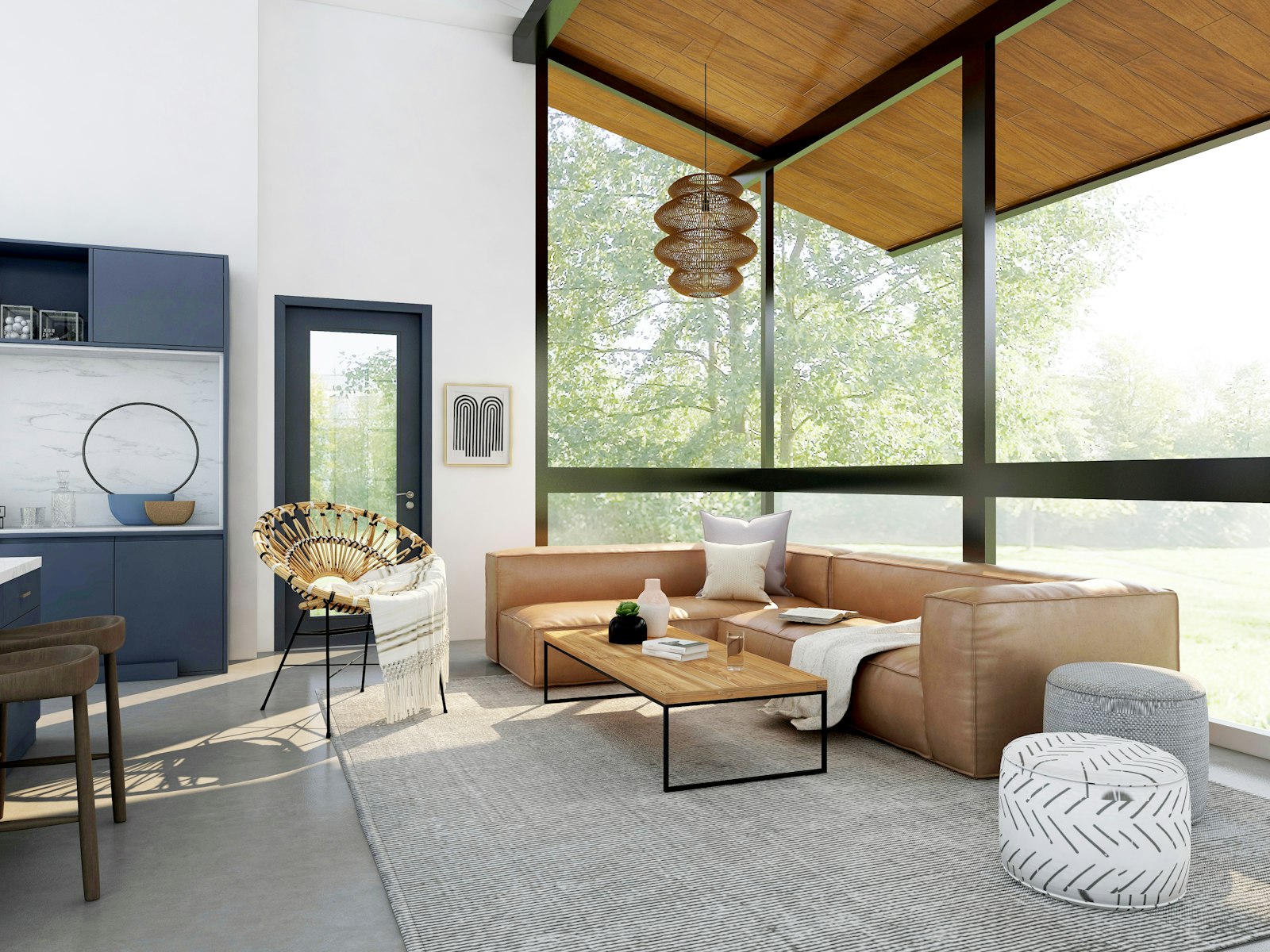
The kitchen is the centre of gravity
In Singaporean households, the kitchen is where authority is held and where stories are told. In a multi-generational home it is also where the matriarch and the daughter-in-law negotiate territory.
The most successful multi-generational kitchens we have designed plan for two cooks at once, often with a wet kitchen and a dry kitchen working as a pair. This is not over-engineering. It is recognising that two generations may want to cook side by side at New Year and on Sundays without crowding each other.
Each generation deserves one private retreat
Within the constraints of Singapore square footage, every generation should have one space that is unambiguously theirs. For the grandparents, often a bedroom suite with a small sitting area. For the parents, a private wing with its own seating. For the children, considered bedrooms that allow study and rest.
These spaces are non-negotiable. Without them, the home reads as shared accommodation rather than as a household.
Light has to reach everyone
It is easy in a Singapore landed or large condo home for one generation to end up in the daylight and another in the back. The principle we hold to is simple: light reaches everyone, or it reaches no one. Equity of natural light is a quiet way of expressing that every generation matters.
Plan for the years that haven’t happened yet
A multi-generational home’s brief is never static. Children grow up. Grandparents’ care needs change. The design has to anticipate the years ahead — accessible sanitary fittings, ground-floor primary suite options, service paths sized for future accessibility upgrades.
If you are planning a multi-generational home in Singapore and want a designer who treats the conversation as the most important part of the work, we would be glad to hear from you.