
Tropical design done right does not look tropical. In Singapore, the tropics are the climate, not the aesthetic. The discipline of climate-responsive design is to respond to humidity, light and air without leaning on rattan, ceiling fans and ferns to do the work.
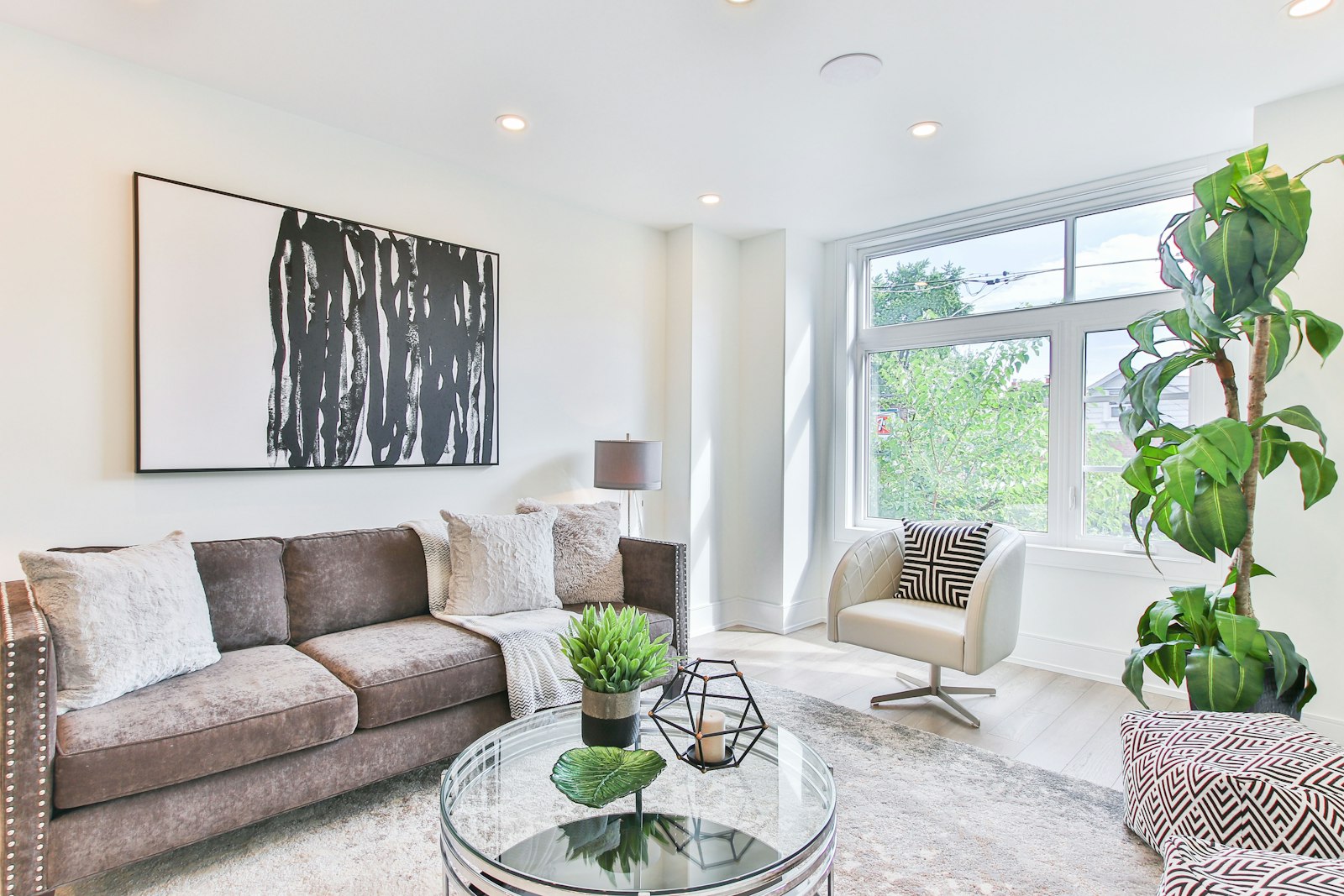
Three principles that decide everything
1. Cross-ventilation before air-conditioning
A Singapore home that can be cross-ventilated is fundamentally a more pleasant home than one that cannot. Even fully air-conditioned homes benefit from the option of opening to a breeze in the cooler hours of morning and evening. We plan rooms with this in mind: windows or sliding systems on opposing walls, doors that allow air paths through the home, ceiling fans even where air-conditioning is the primary cooling.
2. Materials that breathe
Synthetic materials in a Singapore home develop a humidity that no amount of air-conditioning fully removes. Natural materials — solid timber, natural stone, linen, cotton, wool — handle the climate as if they were made for it. They were.
3. Light that softens the equator
Singapore’s equatorial sun is unforgiving on direct exposure. The discipline is to filter light rather than block it. Deep eaves on landed homes. Considered curtain layering on condos (sheer linen behind heavier drapery). Adjustable louvres where possible. The sun is welcomed; the glare is gentled.
What climate-responsive design is not
It is not a style. It is not a list of materials. It is not the inclusion of ceiling fans, the use of rattan, or the placement of palms in the corners of rooms. Those things can be part of a home, but they are not what makes a home tropical.
A genuinely tropical Singapore home can have a near-modernist material palette and feel deeply climate-responsive. A home with rattan furniture, palm fronds in vases and ceiling fans throughout can feel hot and uncomfortable if the structural decisions ignore the climate.
Decisions that matter more than style
- Orientation: the home’s relationship to sun path and prevailing breeze
- Setbacks: distance between glazing and external heat sources
- Insulation: proper roof and wall insulation, particularly for landed homes
- Glazing specification: low-E coatings and proper sealing reduce cooling load
- Ceiling height: taller ceilings allow heat to rise away from occupants
- Floor materials: stone and tile feel cooler underfoot than timber
- Air movement: ceiling fans, even in air-conditioned rooms, allow higher thermostat settings
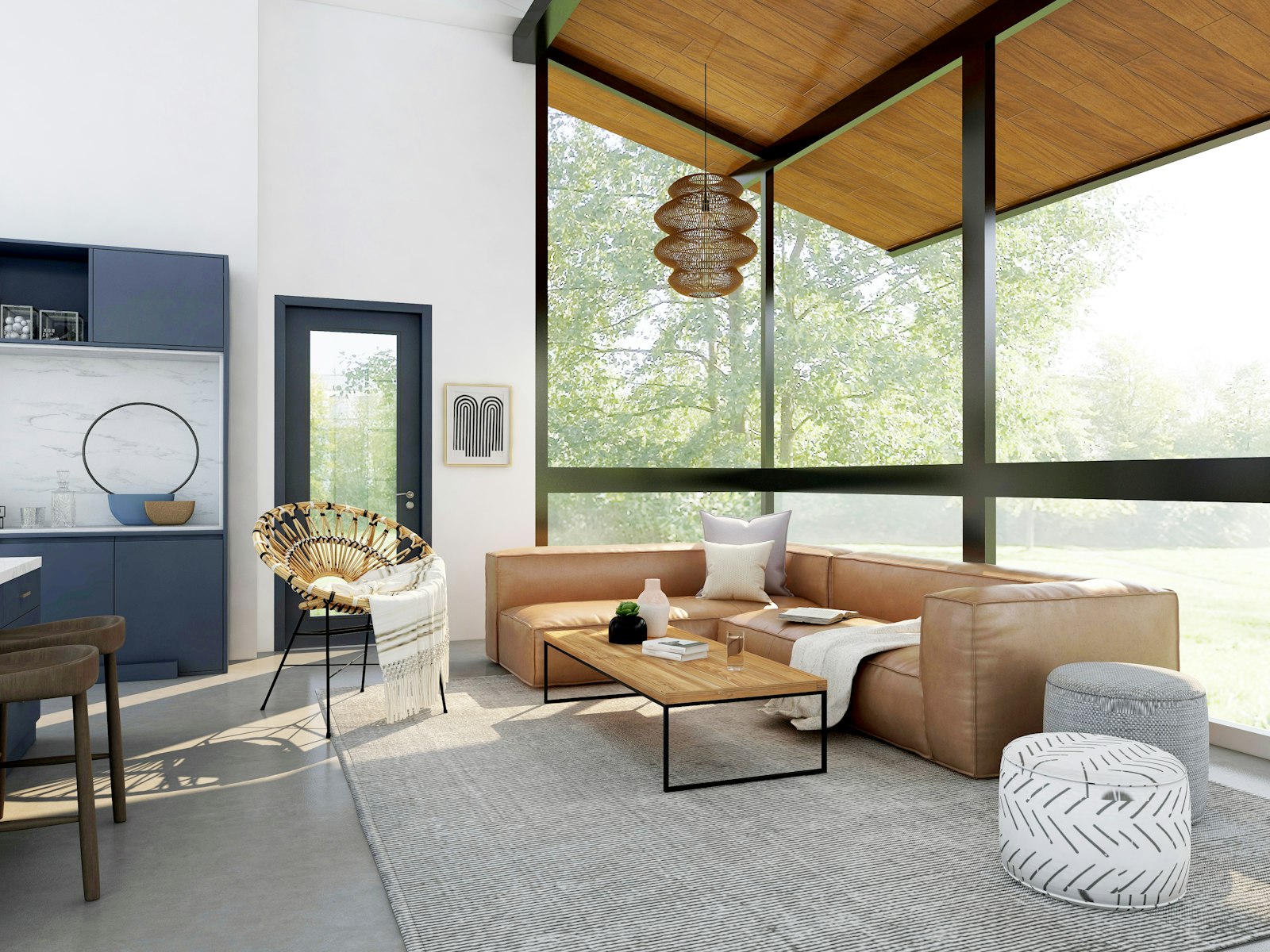
What this looks like in practice
A Singapore landed home we delivered last year reads as restrained modernism. The material palette is honed limestone, whitewashed oak, and linen. There is one ceiling fan visible in the principal living area; the others are concealed in custom integrations. The home is fully air-conditioned but designed so that the family chooses to open it to breeze on cooler evenings. None of these are stylistic choices. All of them are climate-responsive.
Tropical design at its best is invisible. The home simply feels right at every hour.
If you are planning a Singapore home and want a designer who treats the climate as a structural rather than stylistic concern, we would be glad to hear from you.