
In Singapore, the cost of a luxury interior is rarely about the floor area. It is about the quality of every decision behind it. This guide sets out what those decisions actually cost in 2026, from a studio that has been making them across the island for more than two decades.
Designed Design Associates designs luxury homes in Singapore and Malaysia. The pricing in this guide reflects current 2026 market reality for considered, fully-bespoke residential work — not introductory packages and not the headline numbers that occasionally circulate in property reporting.
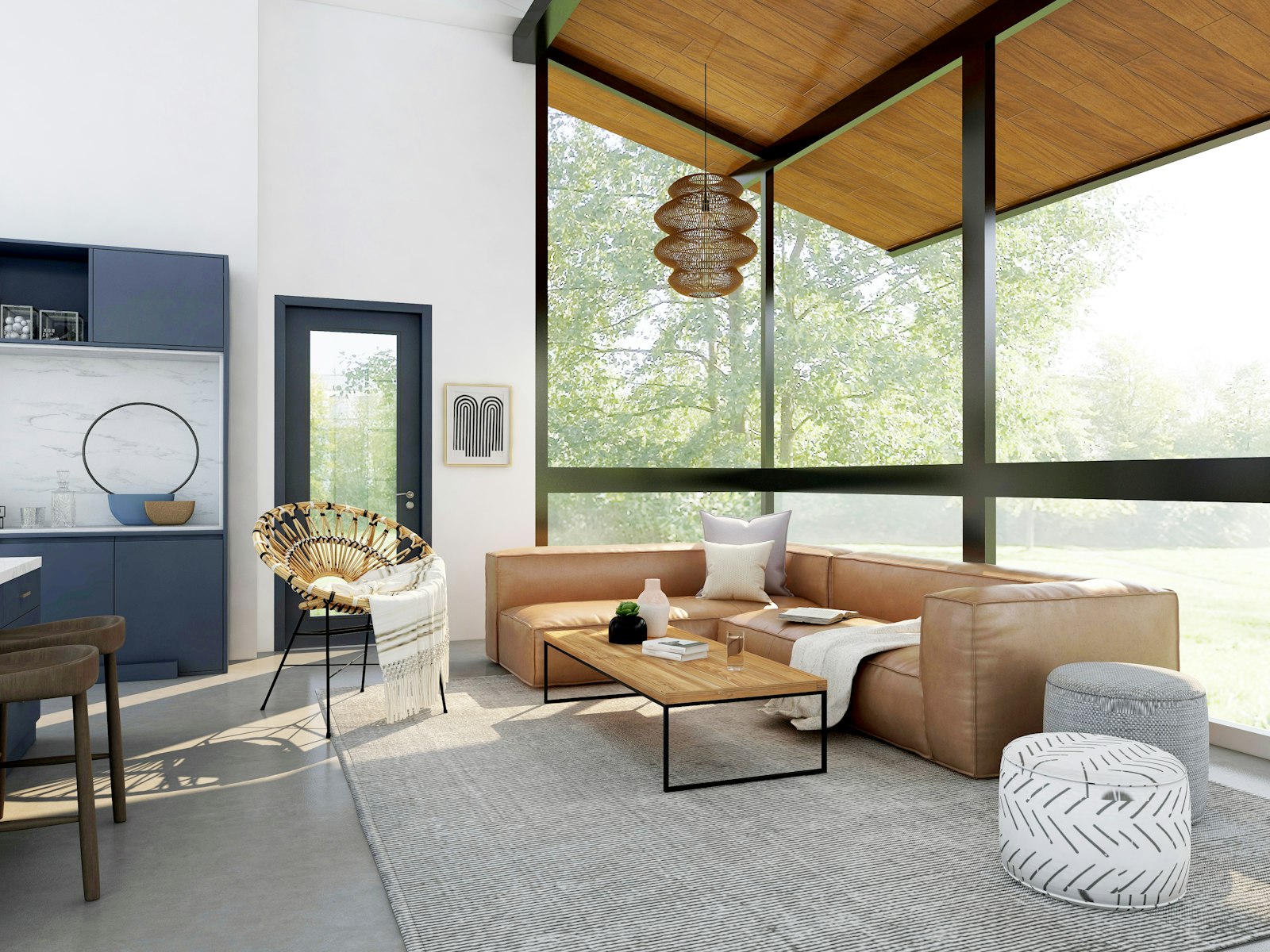
What Counts as Luxury in the Singapore Market
The Singapore residential market spans an unusually wide spectrum. A renovation can mean replacing kitchen carcasses in an HDB flat, or it can mean a full reconstruction of a Good Class Bungalow in District 10. Both are legitimately called “renovations.” Neither is a useful comparison for the other.
For this guide, luxury means a project where every joinery run, every stone slab, every light fitting and every piece of hardware is specified to a brief. The work is bespoke. The detailing is considered. The result is intended to age well over decades, not seasons.
The Three Drivers of Singapore Project Cost
1. Property Type and Approval Pathway
Singapore’s regulatory environment has direct cost implications. Condominium projects are governed by MCST rules and limited to internal works. Landed renovations may fall under URA’s A&A (Addition & Alteration) framework, full reconstruction, or — for conservation properties — a much more involved approval pathway. Each of these brings different timeline, professional fee, and submission cost realities.
2. Specification
Two homes with the same gross floor area can vary by a factor of three in cost based on what fills them. The difference is rarely visible in photographs, but it is consistently present in lived experience: a drawer that closes properly twenty years on, a tap that still feels right, a stone slab that has been book-matched rather than approximated.
3. Time
Time is the variable Singapore clients underestimate most often. A properly designed luxury home runs 10 to 16 months from concept to handover. Compressing that timeline does not save money — it transfers cost into rework, substitution, and post-handover defects. The most efficient project is almost always the one given enough time to be done correctly.
2026 Price Ranges by Project Type
The figures below cover design fees, construction, joinery, finishes, lighting and core furnishing. They do not include art, significant landscaping, swimming pool works, or major external structural changes.
Condominium Renovation (1,200–2,500 sq ft)
- Considered: SGD 350,000 – SGD 600,000
- Mid-luxury: SGD 600,000 – SGD 1.1 million
- Full luxury: SGD 1.1 million and upwards
Condominium projects in Districts 9, 10 and 11 most often sit in the mid-luxury band. The variable that most reliably moves a project upward is custom joinery — a fully bespoke kitchen, walk-in wardrobe, or feature wall can shift a project’s specification level on its own.
Penthouse and Larger Apartment (3,000–5,000 sq ft)
- Considered: SGD 800,000 – SGD 1.4 million
- Mid-luxury: SGD 1.4 million – SGD 2.5 million
- Full luxury: SGD 2.5 million and upwards
Landed Home — Semi-Detached and Terrace (3,000–5,000 sq ft)
- A&A renovation: SGD 900,000 – SGD 1.8 million
- Mid-luxury renovation or partial reconstruction: SGD 1.8 million – SGD 3.5 million
- Full reconstruction or new build: SGD 3.5 million and upwards
Good Class Bungalow (15,000+ sq ft plot)
- Considered renovation: SGD 3 million – SGD 6 million
- Mid-luxury renovation or rebuild: SGD 6 million – SGD 12 million
- Full luxury new build: SGD 12 million and upwards, with no realistic ceiling
GCB projects in Bukit Timah, Holland, and the Nassim area most often sit in the mid-luxury to full luxury bands. The plot, conservation status, and the family’s brief together determine which path is appropriate.
How Designer Fees Are Structured
Singapore luxury interior design fees typically follow one of three models:
- Percentage of construction value — usually 12% to 18% for full-scope luxury work, scaling down as project value increases.
- Fixed lump sum — agreed upfront for a defined scope, suited to clients who want absolute cost certainty.
- Hourly or per-phase — used for advisory work, site supervision, or projects where scope is still being defined.
Fees that fall meaningfully below 10% of construction value almost always indicate that the practice is recovering the difference through procurement margins on furniture, lighting and finishes. That is a different commercial model rather than a worse one — but it is worth understanding before you commit.
Hidden Costs in Singapore Projects
- URA, BCA and MCST submissions — particularly for landed reconstruction or any change to external building elements.
- Mechanical and electrical upgrades — older landed homes and pre-2010 condominiums almost always require electrical, plumbing or HVAC upgrades to support modern luxury specifications.
- Interim accommodation — a 12–14 month landed reconstruction means a year of rental costs the original budget rarely accounts for.
- Conservation and heritage requirements — for properties in conservation zones, the cost of meeting requirements can be substantial and is best understood early.
Where to Spend, Where to Hold Back
Spend on what you touch every day. Tap-ware, door handles, the kitchen island, the dining chairs, the bed. These are the elements that shape daily life. Compromising here rarely makes sense at the luxury level.
Specify materials Singapore’s climate respects. Humidity, monsoon moisture and direct equatorial sun do unkind things to the wrong materials. A luxury budget spent on finishes that will fail within five years is not a luxury budget — it is a postponed renovation.
Carry a 10% design contingency. Singapore renovation projects routinely encounter conditions during construction that the original brief did not anticipate. A contingency protects the integrity of the design when those moments arrive.
Working with DDA
Every Designed Design Associates engagement begins with a no-obligation conversation about scope, intent and budget. We give honest feedback at that stage — including, occasionally, the observation that a particular brief would be better served elsewhere. That candour is part of how the practice has built its reputation across Singapore and Malaysia.
If you are beginning to plan a luxury home in Singapore and would like a considered conversation about what is genuinely possible within your scope, we would be glad to hear from you.